

Contracts for Big difference (CFDs) have received substantial reputation among traders, primarily because they supply a way to make money from cost activities without possessing the underlying asset. While cfds could offer engaging possibilities, it's crucial to fully understand their aspects, benefits, and risks before leaping into the market.
What Are CFDs?
A CFD, or Agreement for Big difference, is an economic tool that allows traders to suppose on the purchase price actions of various assets. These resources can include shares, indices, commodities, currencies, as well as cryptocurrencies. Basically, with CFDs, you're entering an contract to exchange the huge difference in a asset's cost from when the contract is opened to when it's closed.
What units CFDs apart is that you do not own the particular asset. Alternatively, you earn profit—or incur losses—based exclusively on the price movement. For instance, in the event that you speculate a stock's price may rise and it does, you make the cost difference. Alternatively, if the cost comes, you will incur a loss.
Essential Benefits of Trading CFDs
CFDs present a few advantages, creating them a nice-looking instrument for traders:
Power
CFDs enable you to business on profit, therefore you can control bigger positions with an inferior preliminary outlay. While that increases potential results, additionally it advances the risks, which traders must carefully consider.
Usage of World wide Areas
With CFD trading, a trader can access a wide range of worldwide markets and industry various assets, all from an individual account.
Planning Long or Short
CFDs provide the flexibility to revenue in equally climbing (long position) and slipping (short position) markets.
Number Conclusion Day
Unlike options or futures agreements, CFDs on average do not have an termination date, allowing larger mobility in trading strategies.
Risks and Considerations
Control as a Double-Edged Sword
While influence may multiply possible gains, in addition it significantly increases the danger of losses. Traders must directly handle dangers and only use influence that matches their chance patience and trading plan.
Industry Volatility
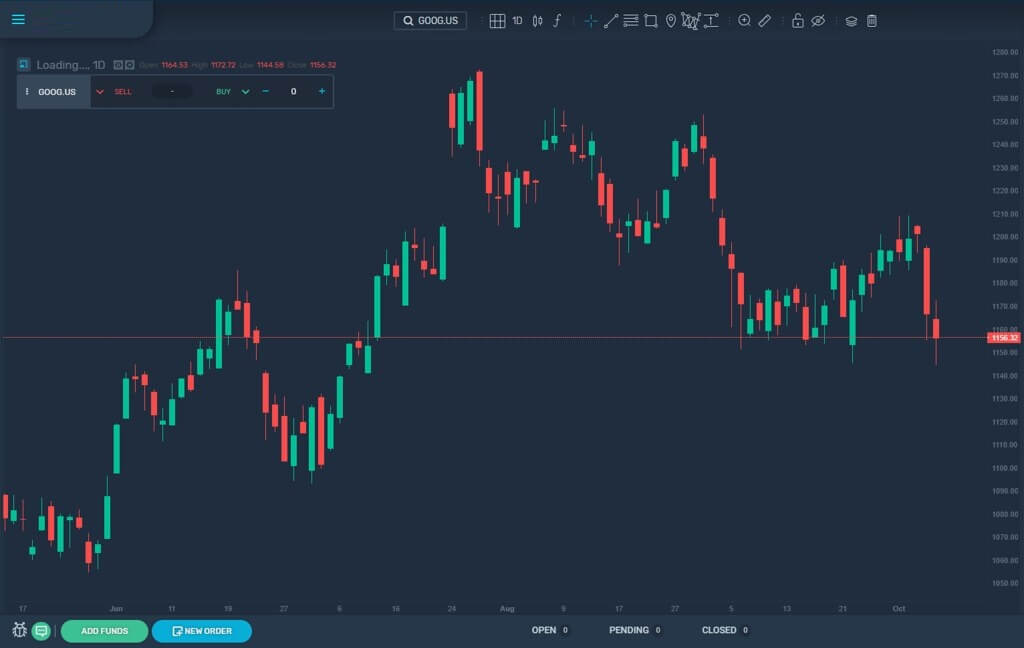
Volatility can result in quick changes in CFD rates, which creates options but also heightens the possibility of losses.
Expenses and Costs
Trading CFDs involves spread charges and occasionally immediately keeping fees, which can accumulate and impact profitability over time.
Regulatory Concerns
Relying in your region, CFDs may be less managed than other trading instruments. It's essential to work well with dependable programs and ensure conformity with legal requirements.
Finding Began with CFDs
Before trading CFDs, consider beginning with a demo bill to familiarize yourself with the process. Inform yourself on industry styles and use risk management resources like stop-loss orders. If you are a novice or an experienced trader, staying educated will help you business well and responsibly.